 IMAS Metadata Catalogue
RECLAMATION/REVEGETATION/RESTORATION
Type of resources
Topics
Keywords
Contact for the resource
Provided by
Years
-
The Australasian Coastal Restoration Network (ACRN) database collates information about coastal restoration projects in eight different ecosystems across Australia and New Zealand: shellfish, macroalgae, seagrass, mangrove, saltmarsh, coastal wetland and coral environments. This record represents a static snapshot of the database made in March 2020. The ACRN website (https://www.acrn.org.au) may contain more recent updates to the database.
-
This data is from the 2021 'Seeds for Snapper' season which is a community volunteer seed based seagrass restoration program located in Perth, Western Australia. It details the effort that went into the collection of Posidonia australis seagrass fruit including number of divers, number of shore support personnel, volunteered hours, and fruit collection metrics (volume, estimated number).
-
This record provides an overview of the NESP Marine and Coastal Hub small-scale study - "A national framework for improving seagrass restoration". For specific data outputs from this project, please see child records associated with this metadata. -------------------- Seagrasses provide resources and ecosystem services critical to the health of coastal ecosystems and human populations. They increase water clarity, stabilise sediments and reduce coastal erosion, sequester carbon, and provide habitat and food to marine animals, including commercially important fish and invertebrates. Across Australia, the loss of >275,000 ha of seagrass meadows and associated ecosystem services—valued at AU$ 5.3 billion—has contributed to the long-term degradation of estuarine and coastal marine ecosystems. Restoration of seagrass is critical for improving the health and function of these ecosystems and sustaining coastal communities and industries that depend on them, yet restoration projects to date typically occur at small scales, driven by local priorities and with variable success. This project addressed this problem by bringing together scientists and key stakeholders to collate knowledge on seagrass ecology and restoration, and generated a framework to scaling-up restoration nationally. A national workshop with experts identified a shortlist of drivers key to restoration success, including sediment dynamics, microbial communities, hydrodynamics, and species interactions. It highlighted the importance of incorporating seagrass genetics and life histories into site and donor material selection to improve long-term resilience. New technologies such as eDNA, automation, and AI were also assessed for their potential to improve monitoring and reduce costs, while standardised methodologies and molecular tools were recommended to track microbial indicators and site suitability. A key insight from the workshop was the central role of sediment processes in feedback loops that determine seagrass health—providing a foundation for more effective, scalable restoration strategies. On-ground case studies were conducted in Western Australia and New South Wales to test the proposed restoration framework in collaboration with Indigenous and community partners: sediment quality assessment and manipulation (Gamay Rangers, UNSW); seed and seedling capture using sediment-filled hessian tubes (Malgana Rangers, UWA); and large-scale seed collection for seed-based restoration through the 'Seeds for Snapper' initiative (OzFish and UWA). These trials demonstrated the effectiveness of community-led restoration and reinforced the potential of seed-based methods for scaling up seagrass recovery. Outputs • Effect of sediment quality and manipulation on seagrass transplant success [field data] • Locations and health of beachcast fragments of Posidonia in Botany Bay [field data] • Effect of engineering hydrodynamics (by use of hessian socks) on seagrass transplant success [field data] • Final project report [written]
-
This record provides an overview of the NESP Marine and Coastal Hub Research Plan 2023 project 3.7 – Identifying and overcoming barriers to coastal and marine habitat restoration and Nature based Solutions in Australia. No data outputs are planned for this project. -------------------- There is an increasing need for coastal and marine restoration around Australia to help address habitat and biodiversity loss, water quality decline, invasive species impacts, and coastal inundation and erosion; and to identify blue carbon opportunities. However, broader uptake of restoration and nature-based solutions in Australia is constrained by policy and legislative barriers, limited adoption within engineering practice, and insufficient inclusion of Aboriginal and Torres Strait Islander peoples in project design and delivery. This project examined barriers and opportunities for scaling marine and coastal restoration and nature-based solutions across three themes: (1) regulatory and permitting pathways; (2) engineering sector adoption, and (3) Aboriginal and Torres Strait Islander inclusion and co-design. The approach built on earlier work through Marine and Coastal Hub Project 1.6 (https://www.nespmarinecoastal.edu.au/project/1-6/) which identified a clear need for coordinated, landscape-scale restoration and greater support for nature-based approaches. Research reviews of approval and permitting processes were conducted in Queensland, New South Wales, Tasmania and South Australia, with a focus on oyster reef restoration and tidal reintroduction for wetland restoration. Consultation was undertaken with Commonwealth and state agencies, the national Wetland and Aquatic Ecosystems Task Force, restoration practitioners, non-government organisations, engineering and environmental consultancies, and Indigenous groups involved in restoration activities. Workshop and consultation findings were translated into practical guidance and framework materials for governments, practitioners and restoration proponents. These outputs provide a basis for clearer approval pathways, greater confidence in nature-based solutions within coastal engineering, and more inclusive restoration planning with Aboriginal and Torres Strait Islander peoples. Outputs • Identifying and overcoming barriers to marine and coastal habitat restoration and nature-based solutions in Australia [project summary - written] • A blueprint for overcoming barriers to the use of nature-based coastal protection in Australia [written] • Legislative permitting processes for restoration [written] • Pathways to Aboriginal and Torres Strait Islander inclusion and co-design in restoration [written]
-
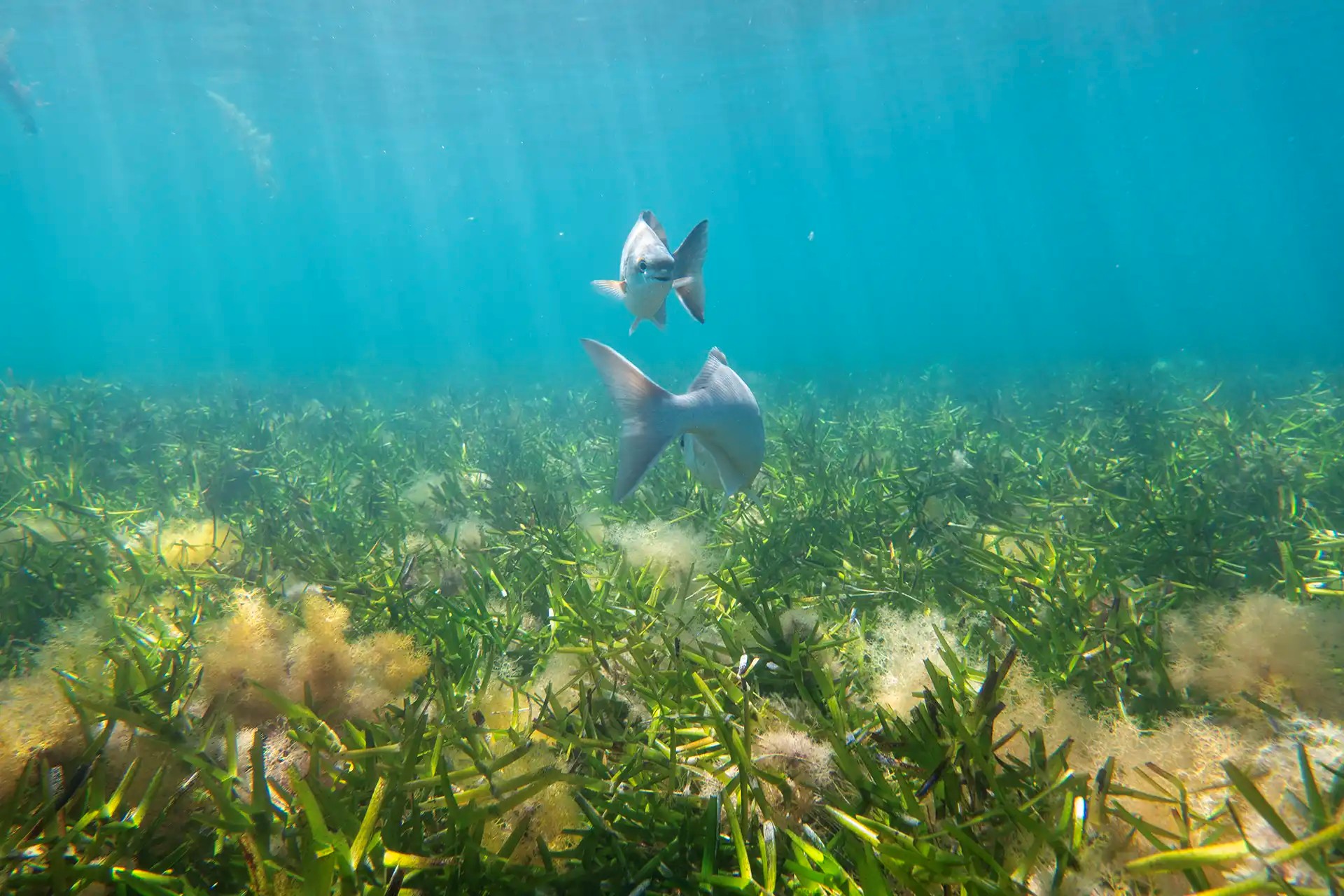
In March 2020, The University of Western Australia (UWA) and the Malgana Rangers transplanted by hand 36 pieces of Posidonia australis and Amphibolis antarctica into nearby restoration plots at Dubaut Point, Shark Bay. In March 2022 UWA went back to assess survival and shoot growth which is detailed in this dataset.
-
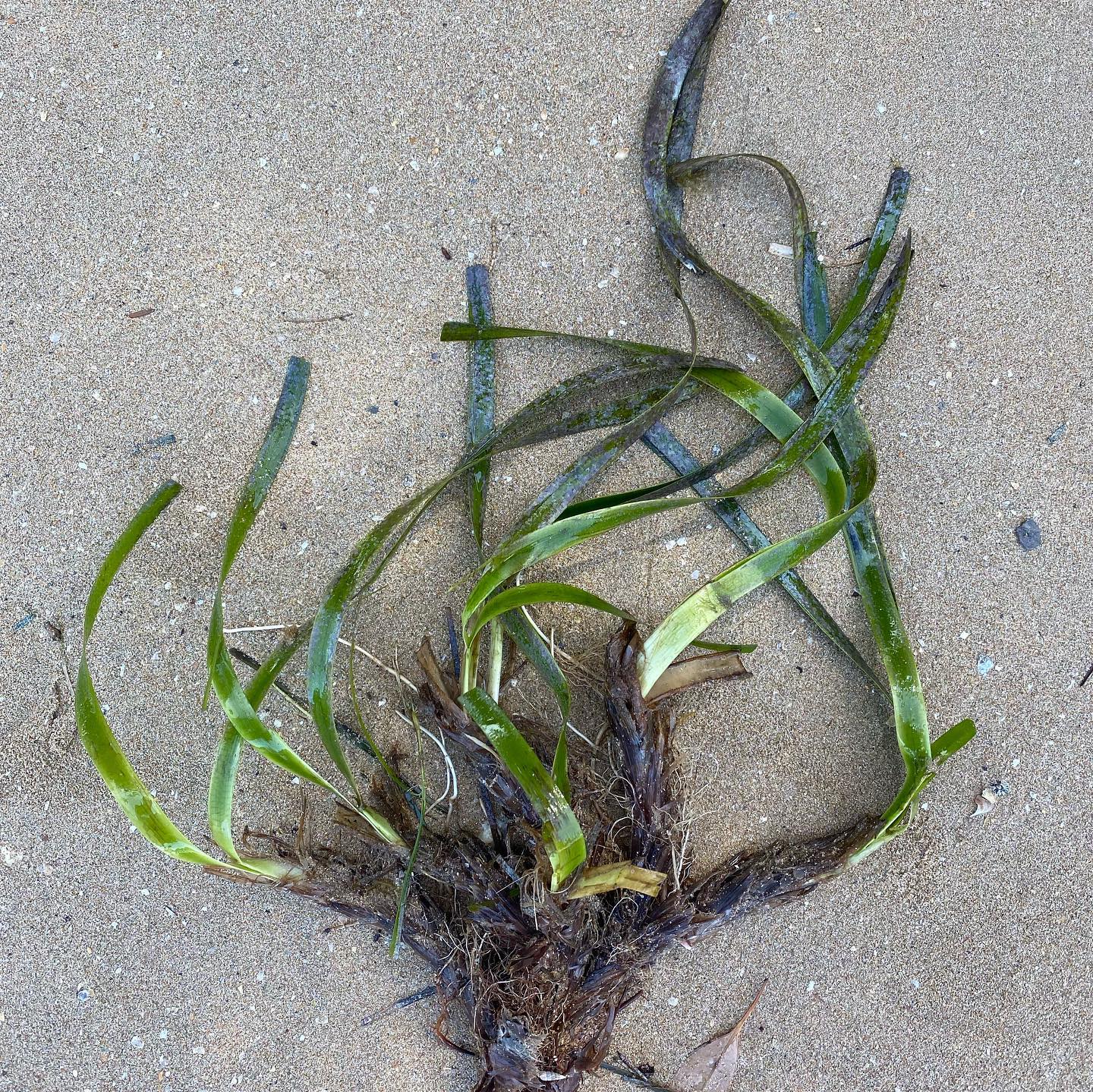
Efforts to restore Posidonia seagrass meadows in NSW are reliant on collecting beachcast fragments as collection of donor material from extant beds is prohibited. However, to maximise the collection efforts it necessary to understand where to collect fragments from and what environmental conditions (e.g. wind direction, wind strength, tidal height) increase the availability of fragments and where to collect the most healthy fragments. This data set captures the abundance of fragments at 7 sites in Gamay (Botany Bay), an area of interest for restoration of Posidonia australis. It investigates how characteristics of wind (speed and direction), tidal height and swell (height, direction) influence the availability (abundance) and health (as determined by observations of necrosis) of shoots at sites throughout Botany Bay. The Excel data workbook is comprised of two sheets: Fragments_data sheet shows the number of P. australis fragments collected at different sites, when they were collected, and the environmental conditions at collection (see data attributes section). Shoot_data sheet shows the proportion of necrosis of shoots attached to collected fragments.
-
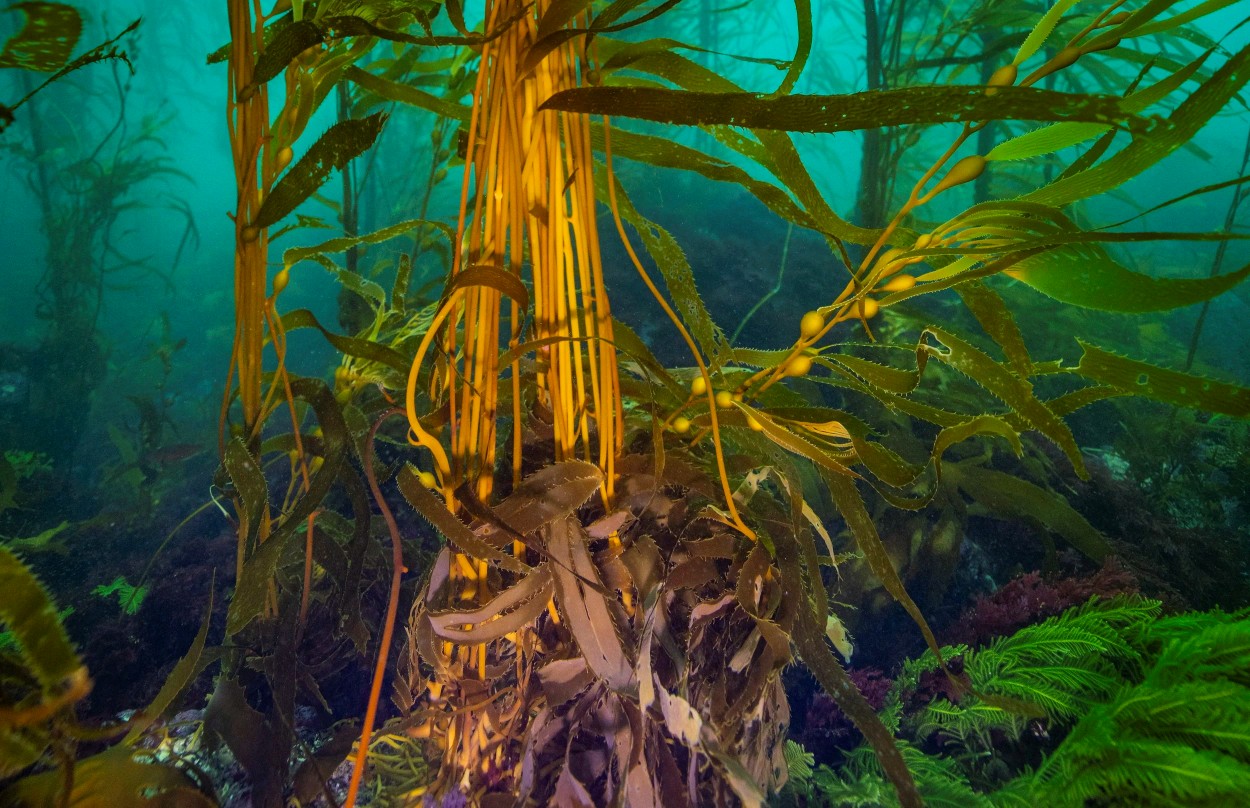
This record described kelp growth and ecophysiological data relevant to the thermal tolerance of specific warm-tolerant and 'normal' family-lines of giant kelp (Macrocystis pyrifera) from Tasmania, Australia. Australia’s giant kelp forests are listed as a Threatened Ecological Community under the Environment Protection and Biodiversity Conservation Act 1999. Habitat restoration is a potential tool for the conservation and management of giant kelp ecosystems. For habitat restoration to be effective, the cause of habitat decline must be understood and overcome. This is problematic when climate change is driving habitat loss since it cannot be reversed or ameliorated prior to restoration. A previous NESP project led by this team (Project E7, Marine Biodiversity Hub) identified warm-tolerant strains of giant kelp from remnant patches in eastern Tasmania, where the species has experienced precipitous declines due to ocean-warming. These strains have high potential to assist with ‘future-proofing’ kelp forest restoration, however it is still unclear what the physiological mechanisms are that provide their improved thermal tolerance. This work cultivated the warm-tolerant strains of giant kelp previously identified, along with giant kelp strains of normal tolerance, at both cool (16 °C) and warm temperatures (20 °C). The juvenile kelp was then harvested, and a suite of physiological traits that may be responsible for their differences in thermal tolerance were examined. These included nutrient usage (carbon and nitrogen content), cellular membrane processes (fatty acid contents), and photosynthesis (PAM fluorometry and photosynthetic pigments). The cultivation trials again illustrated the improved ability of the warm-tolerant strains to develop at stressful warm temperatures relative to normal giant kelp. This work demonstrated for their first time that the improved thermal performance of these strains may extend to the development and fertilisation of the earlier kelp ‘gametophyte’ life-stage. Despite the clear differences in growth between the two test groups, the physiological assessments illustrated a complex pattern of responses, some of which are contrary to expected based on prior knowledge of thermal performance in kelps. Nonetheless, these results indicate that the warm-tolerant strains of giant kelp have a greater capacity to alter the composition of their fatty acids and may be more efficient users of nitrogen (a key nutrient for growth and development). This new information will help inform ongoing kelp breeding and selection programs for future-proofing kelp restoration in Australia and globally. The improved understanding of the physiology of kelp thermal tolerance might also help with identifying individuals and populations of Macrocystis, and other kelps, that may be resilient to (or especially threatened by) ocean warming and climate change.
-

Climate change and population growth are accelerating the need for diverse solutions to coastal protection. Traditionally, shorelines are armoured with conventional "hard" or "grey" engineering structures such as seawalls which are non-adaptive and come with significant economic, environmental and social costs. While hard structures have a place in coastal protection, alternative 'living shorelines' methods harness natural ecosystems to reduce coastal erosion and flooding and provide co-benefits such as carbon sequestration. They may consist of dunes, wetlands and biogenic reefs: either alone (‘soft approach’) or in combination with hard structures (‘hybrid approach’). The Living Shorelines Australia project (https://livingshorelines.com.au) compiled a database of nature-based ("soft" or "hybrid") coastal protection projects from across Australia. This database acts as a tool to help coastal managers make informed decisions by providing as many examples as possible of where these solutions have been used, how they were used, and how effective they are in different contexts. The information in this database was collected through direct engagement with coastal managers and stakeholders, a literature search, and informal internet searching. Under the NESP Marine and Coastal Hub Project 1.10, this database was established and populated with 138 projects identified through the process described above. Since then (2022), the database has continued to be updated by The University of Melbourne and now contains 200 nature-based coastal protection projects.
-

This record provides an overview of the NESP Marine and Coastal Hub Research Plan 2024 project "De-risking nature repair activities in Australian coastal and marine ecosystems". For specific data outputs from this project, please see child records associated with this metadata. -------------------- Coastal and marine ecosystems provide shoreline protection, water quality improvement, biodiversity habitat, tourism, carbon storage, and cultural values. In Australia, many of these systems have been degraded, while national and international commitments are increasing the need to scale up restoration and nature-based solutions (“nature repair”) in a coordinated and evidence-based way. This project supported coastal and marine nature repair at scales relevant to national biodiversity and climate commitments by updating national stocktakes, compiling an evidence base, and scoping a coordinated framework for future investment and delivery. Existing databases, including the Australian Coastal Restoration Network and Living Shorelines Australia, were updated to improve information on restoration location, habitat type, intervention approach and outcomes. Evidence on effectiveness, risks and success measures was compiled across ecological, engineering, environmental, legal/governance, socio-economic, Indigenous and regional case-study themes. Engagement with DCCEEW, state governments, non-profit agencies, Indigenous communities, researchers and practitioners informed a forward-looking framework covering objectives, site and action selection, risks and liabilities, decision-support tools, technical guidance, monitoring and evaluation, and Indigenous co-design and leadership. The project outputs provide a framework to assist managers, funders and practitioners to understand where restoration has occurred, what approaches have been used, what risks need to be managed, and what evidence is available to guide future investment. This supports more coordinated planning and delivery of coastal and marine nature repair, including activities linked to blue carbon, biodiversity protection, and emerging nature repair markets. Outputs • Updates to Australian Coastal Restoration Network database, and the Living Shorelines Australia database [dataset] • Draft national framework for coordinated nature repair [written] • Final project report [written]
-

This dataset was compiled for the Tasmania's Marine Atlas from published sources and contains the general location of five restoration projects around Tasmania: Angasi oyster (Ostrea andasi), Giant Kelp (Macrocystis pyrifira), seagrass habitat (using Environmentally Friendly Moorings), saltmarsh fish habitat, and wetland restoration. The locations shown do not present the actual restoration sites.