 IMAS Metadata Catalogue
RECREATIONAL ACTIVITIES/AREAS
Type of resources
Topics
Keywords
Contact for the resource
Provided by
Years
-
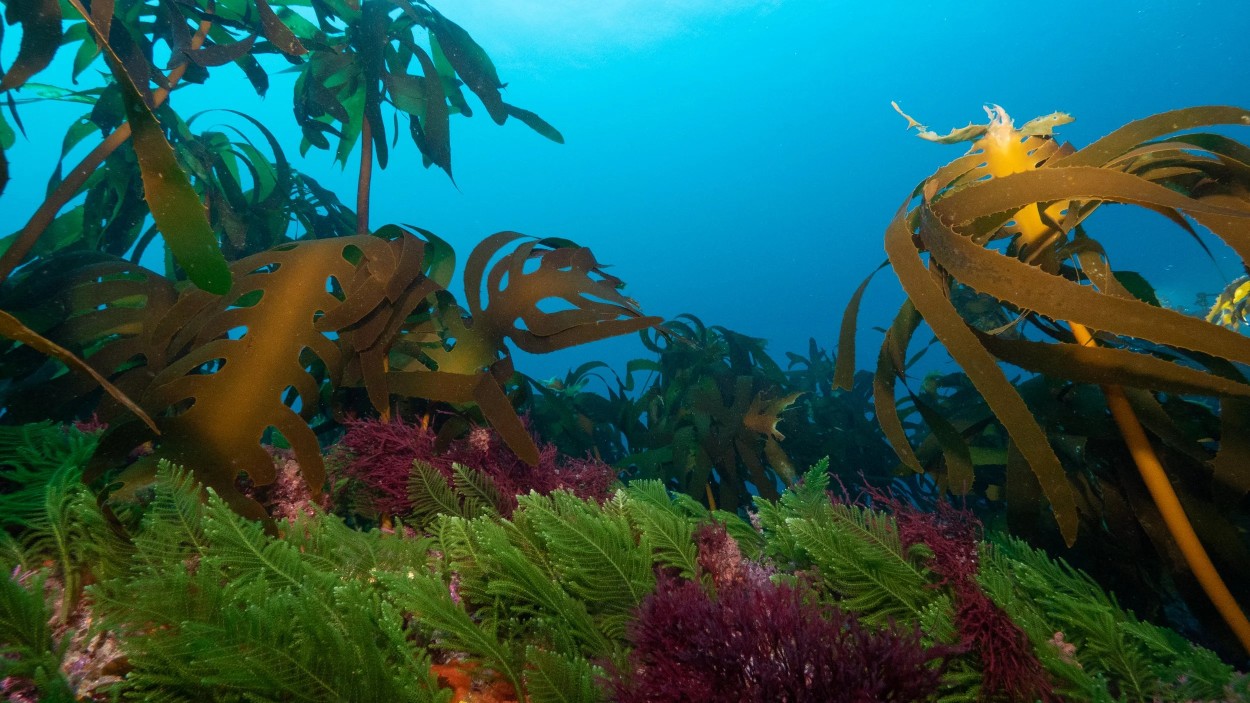
Ecosystems provide numerous services and benefits to society. While historically overlooked, these services are increasingly recognized and are now being mapped and accounted for. There are several approaches to mapping and evaluating these ecosystem services. In this report, we use two increasingly common approaches, Ocean Accounting and Welfare Economics, to evaluate ecosystem services for the Great Southern Reef. The Great Southern Reef is a network of rocky reefs dominated by temperate algal forests known as kelp. It spans over 8,000 Km of coastline and supports two thirds of the Australian population. Despite its presumed importance, there has been little work quantifying the extent and value of the ecosystem services provided by the Great Southern Reef. Through a systematic review we assessed the current state of knowledge of the ecosystem services provided by the Great Southern Reef. Using the Common International Classification of Ecosystem Services (CICES) framework, we created an overview of the ecosystem services (provisioning, regulating, and cultural) provided by the Great Southern Reef in New South Wales, Victoria, Tasmania, South Australia, and Western Australia. We then created metrics to quantify how these services benefit coastal societies in these five states. Highlight summaries include over 17 million Australians who live within 50 Km of the reef, 26 wild seaweed harvest companies, 115 tourism SCUBA operators, 1436 mapped dive sites, 18 million tourist visits each year, 16 temperate marine biology university programs, 43 books and films, key medical products, 23 tons of harvested seaweed, 1116 grams of carbon per m2 used for growth each year, 2,361 peer-reviewed scientific publications from 1976 to 2022, 186 marine protected areas, 2.16 million recreational fishers, and over 28 commercial fisheries with 20,000 tons of biomass taken each year. We then conducted economic evaluations using these biophysical values and the available information. Using a variety of approaches, we found that the total economic value of the Great Southern Reef was $11.56 billion each year. Individually the values were as follows, commercial fishing (producer surplus - $33.2 million), carbon sequestration (avoided damages - $37.8 million), nutrient cycling (avoided damages - $6,484 million), recreational fishing (consumer surplus - $1,668 million), diving and snorkelling (consumer surplus - $403 million), other recreational activities (consumer surplus $1,836 million), and the existence value (consumer surplus - $1,096 million).
-
Marine Protected Areas (MPAs) are widely used to support biodiversity conservation and provide ecological, social, and economic benefits, yet communicating their purpose and outcomes to public audiences remains challenging. This study tested whether closely matched MPA information presented as a static infographic or scientist-presented video incorporating baited remote underwater video (BRUV) imagery influenced objective comprehension, perceived value, and perceived credibility. A total of 338 Australian adults were randomly assigned to view either format in an online survey. There was no clear evidence that communication format influenced any outcome (for example, comprehension: OR = 1.14, 95% CI [0.91, 1.44]). Environmental and social value were higher after viewing both formats, although the study did not include a no-exposure control. Qualitative responses indicated different perceived strengths and weaknesses across formats. Overall, the findings suggest that communication outcomes may depend more on how scientific information is designed and presented within a format than on format choice alone. This record provides access to the static infographics and scientist-presented video (visual stimulus) that were shown to surveyed individuals. Access to the raw survey data is restricted due to human ethics requirements. Please contact the listed responsible parties to discuss potential access arrangements.
-
Recreational abalone fishing data for the periods between 2002/03 to 2024/25 for eight assessment areas in Tasmania. The data includes estimated catch (in kilograms and numbers of abalone), estimated effort (in fishing days) and estimated catch rate (in number of abalone/fishing days). Both species, blacklip abalone (Haliotis rubra) and greenlip abalone (Haliotis laevigata) are targeted by the recreational fishers. The data was compiled from the Tasmanian Recreational Rock Lobster and Abalone Fisheries survey reports produced by IMAS. The assessments are conducted using a survey involving a random sample of licence-holders who are contacted by telephone prior to the start of the fishing season and invited to participate in a phone-diary survey to monitor their abalone fishing activity between November and April.
-
Recreational rock lobster fishing data for the periods between 2002/03 to 2024/25, for eight assessment areas in Tasmania by fishing method (pot, ring, dive). The data includes estimated catch (in kilograms and numbers of lobsters), estimated effort (in fishing days) and estimated catch rate (in number of lobsters/fishing days). Both species, Southern Rock Lobster (Jasus edwardsii) and, occasionally, the Eastern Rock Lobster (Sagmariasus verreauxi) are caught and reported together. The data was compiled from the Tasmanian Recreational Rock Lobster and Abalone Fisheries survey reports produced by IMAS. The assessments are conducted using a survey involving a random sample of licence-holders who are contacted by telephone prior to the start of the fishing season and invited to participate in a phone-diary survey to monitor their rock lobster fishing activity between November and April.