 IMAS Metadata Catalogue
Areal survey
Type of resources
Topics
Keywords
Contact for the resource
Provided by
-
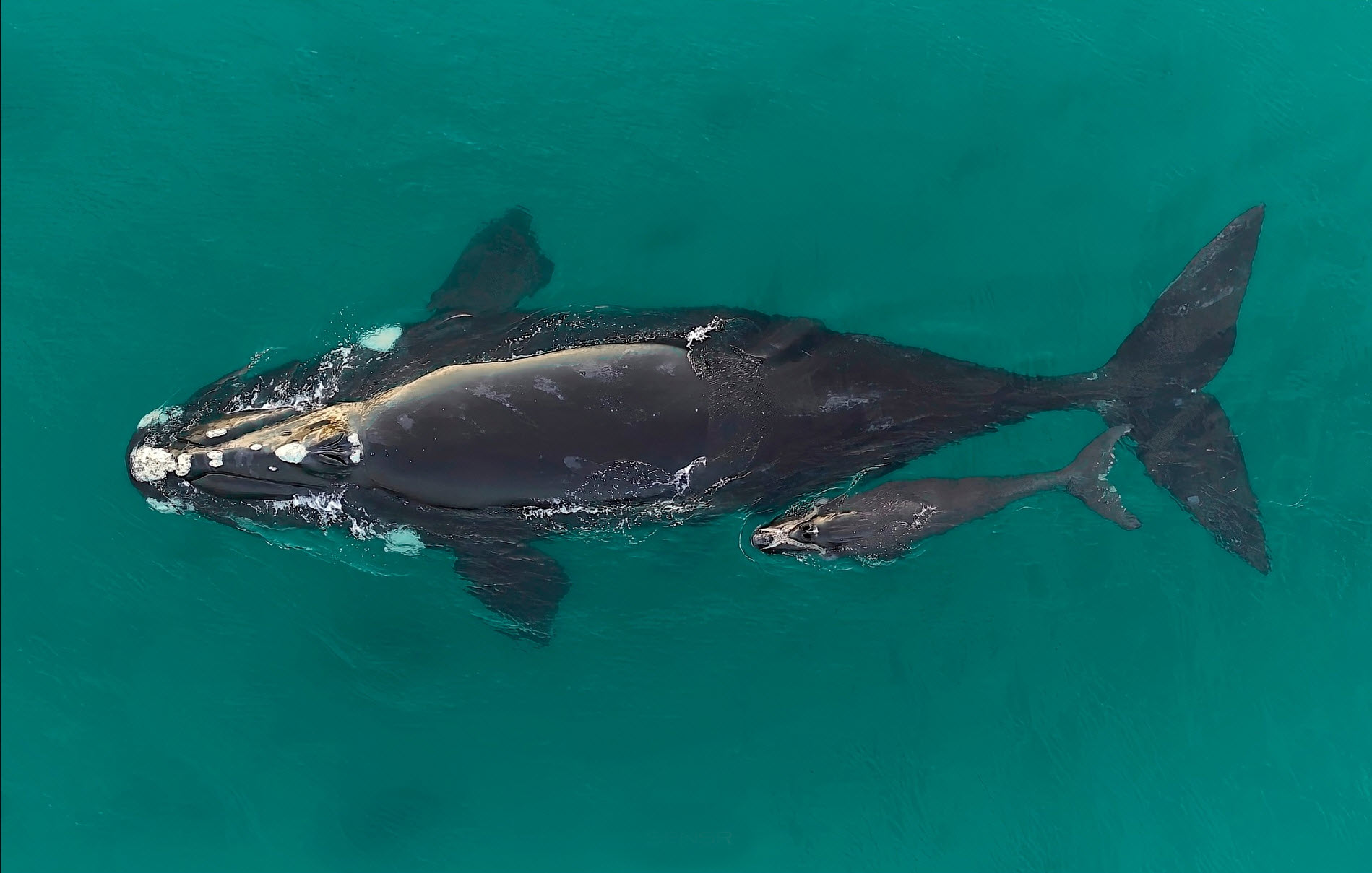
Aerial surveys of southern right whales (Eubalaena australis) were undertaken off the southern Australian coast to monitor the recovery of this endangered species following extreme 19th and 20th Century commercial whaling. The aerial survey was undertaken in the coastal waters from Perth (Western Australia) to Ceduna (South Australia) between the 12th and 19th August 2022, to maintain the annual series of surveys and inform the long-term population trend. The survey resulted in a total 526 whales sighted, consisting of 247 cow-calf pairs, 31 unaccompanied adults and 1 yearling. The ‘western’ population of southern right whales in Australian waters is increasing in size (~5.3% per year based on female/calf pairs and a population estimate of 2675 whales) based on the long-term population trend data from the annual aerial surveys. This represents the majority of the Australian population given the very low numbers in the ‘eastern’ population. The 2022 surveys recorded the lowest number of unaccompanied animals (i.e. males and females without a calf) ever throughout the time-series of the annual aerial surveys since 1993 when survey coverage between Cape Leeuwin and Ceduna first began. Across this time series, there is a particularly notable decline in sightings of unaccompanied animals over the past five years. It is currently unclear what factors account for the decline in these sightings or may influence the variation in numbers of unaccompanied animals on the southern Australian coast. Lower than expected counts in the long-term data may provide evidence of a slowing population growth rate, which can only be assessed by continued annual population surveys to assess population trend data.
-
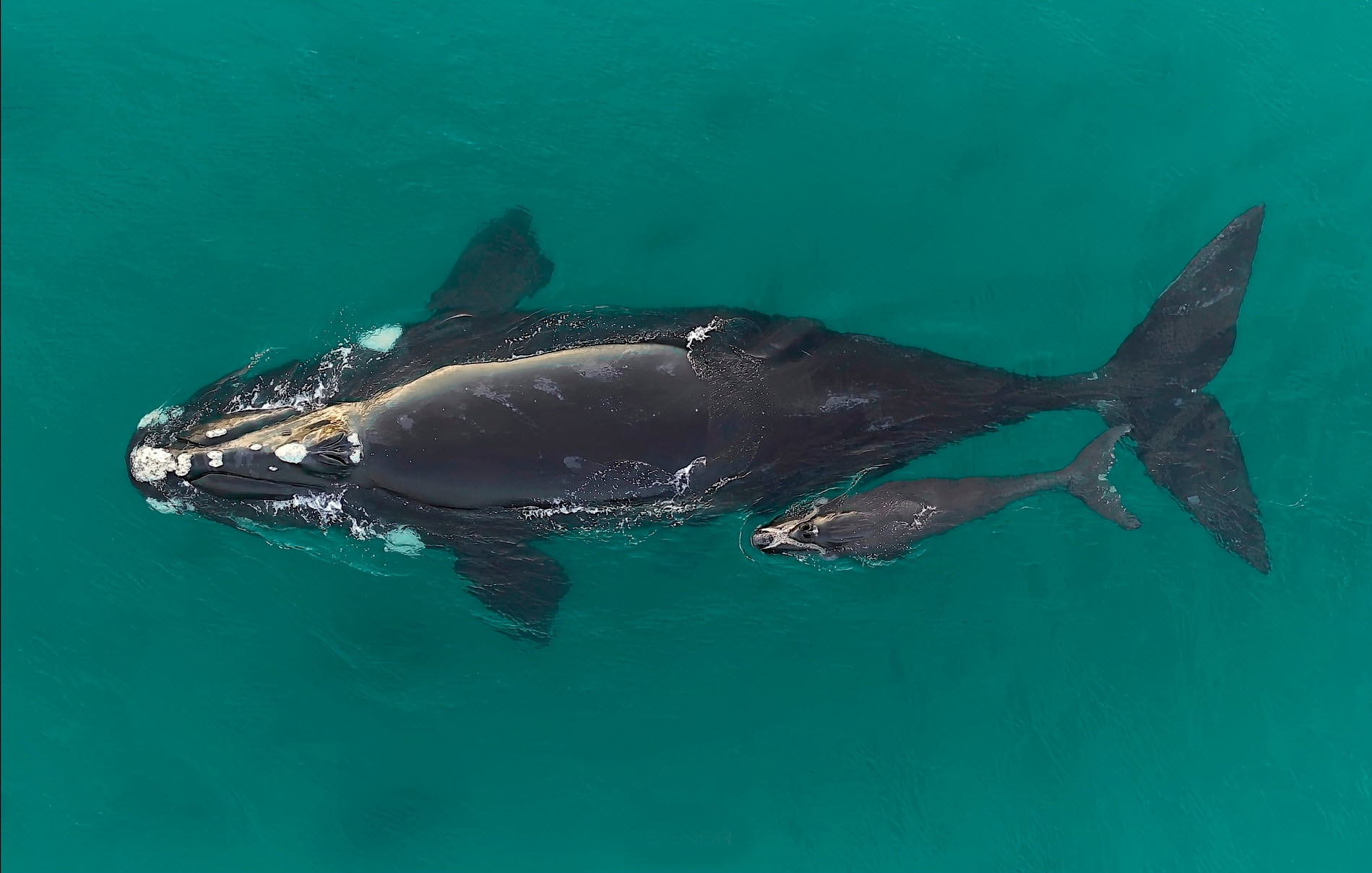
Aerial surveys of southern right whales (Eubalaena australis) were undertaken off the southern Australian coast to monitor the recovery of this endangered species following extreme 19th and 20th Century commercial whaling. The aerial survey was undertaken in the coastal waters from Perth (Western Australia) to Ceduna (South Australia) between the 12th and 17th August 2021, to maintain the annual series of surveys and inform the long-term population trend. The maximum whale counts for each leg of the survey flights between Cape Leeuwin and Ceduna, and consisted of a total 643 southern right whales sighted across the survey area (270 cow-calf pairs and 103 unaccompanied whales). The subsequent population estimate for the Australian ‘south-western’ population is 2,549 whales, which represents the majority of the Australian population given the very low numbers in the ‘south-eastern’ subpopulation. The population long-term trend data is indicating recent years (from 2007) are showing greater inter-annual variation in whale counts. To evaluate the recovery of the southern right whale population, it will be critical to collect long-term data on the annual variability in whale numbers related to the non-annual female breeding cycle and identify possible impacts on this by short-term climate dynamics, longer-term climate change and/or anthropogenic threats.